 University of North Texas

Spotlights
Student Spotlights
Jon Batiste
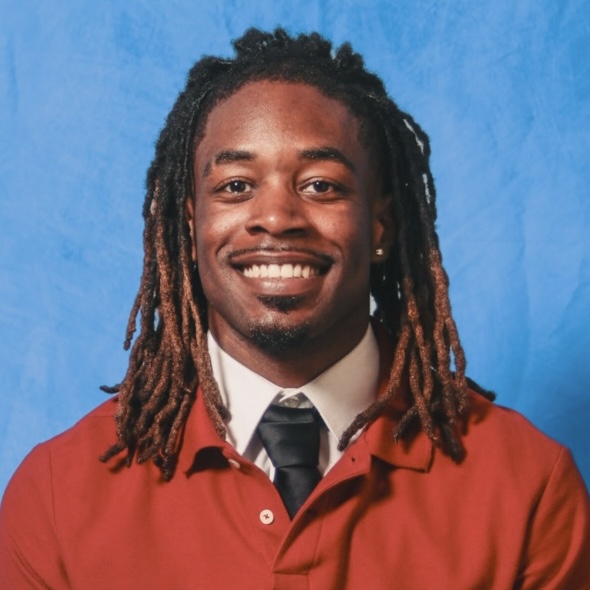 Hometown:
I am from Austin, TX.- Why did you decide to pursue a degree in HR?
I decided to pursue a degree in Human Resources because I am passionate about development, leadership, and organizational culture. I enjoy helping people reach their full potential while supporting organizations in building inclusive, effective, and ethical workplaces. I'm also interested in working in the sports industry because it allows me to combine my love for sports with employee relations, talent development, and organizational strategy. - How has the HR Program at UNT helped you reach your personal, academic, and professional
goals?
The HR Program at UNT has played a role in preparing me for my future career. Courses such as Human Resource Management, Organizational Behavior, and Employment Law have strengthened my understanding of workplace policies, leadership, and compliance. Support from professors and exposure to HR career fairs have helped me gain clarity on career paths within HR and build confidence in my professional skills. - Where did you complete your internship, and what were some key takeaways from it?
I completed my internship at Bell Textron, Inc. in Fort Worth as an HR Business Partner Intern. I supported recruiting for 50+ roles using Taleo and worked closely with HRBPs on performance management, employee relations, and succession planning. I also completed Excel audits and contributed to an HR operations project that improved efficiency and consistency across teams. Overall, the experience gave me hands-on exposure to strategic HR work and helped me better understand how HR supports both employees and business goals. - What are your career aspirations?
My career goal is to work in Human Resources within the sports industry. I also aspire to grow into a leadership role where I can help create supportive environments that promote both professional success and personal growth. - If you were involved in UNT SHRM, briefly summarize your involvement and how it helped
prepare you for industry.
Through my involvement with UNT SHRM as the Director of Community Relations, I was able to gain exposure to the HR profession by attending meetings, networking, and learning about current industry trends. This involvement helped me better understand HR practices, strengthened my professional presence, and reinforced the importance of continuous learning and networking within the field.
Heath Fromme
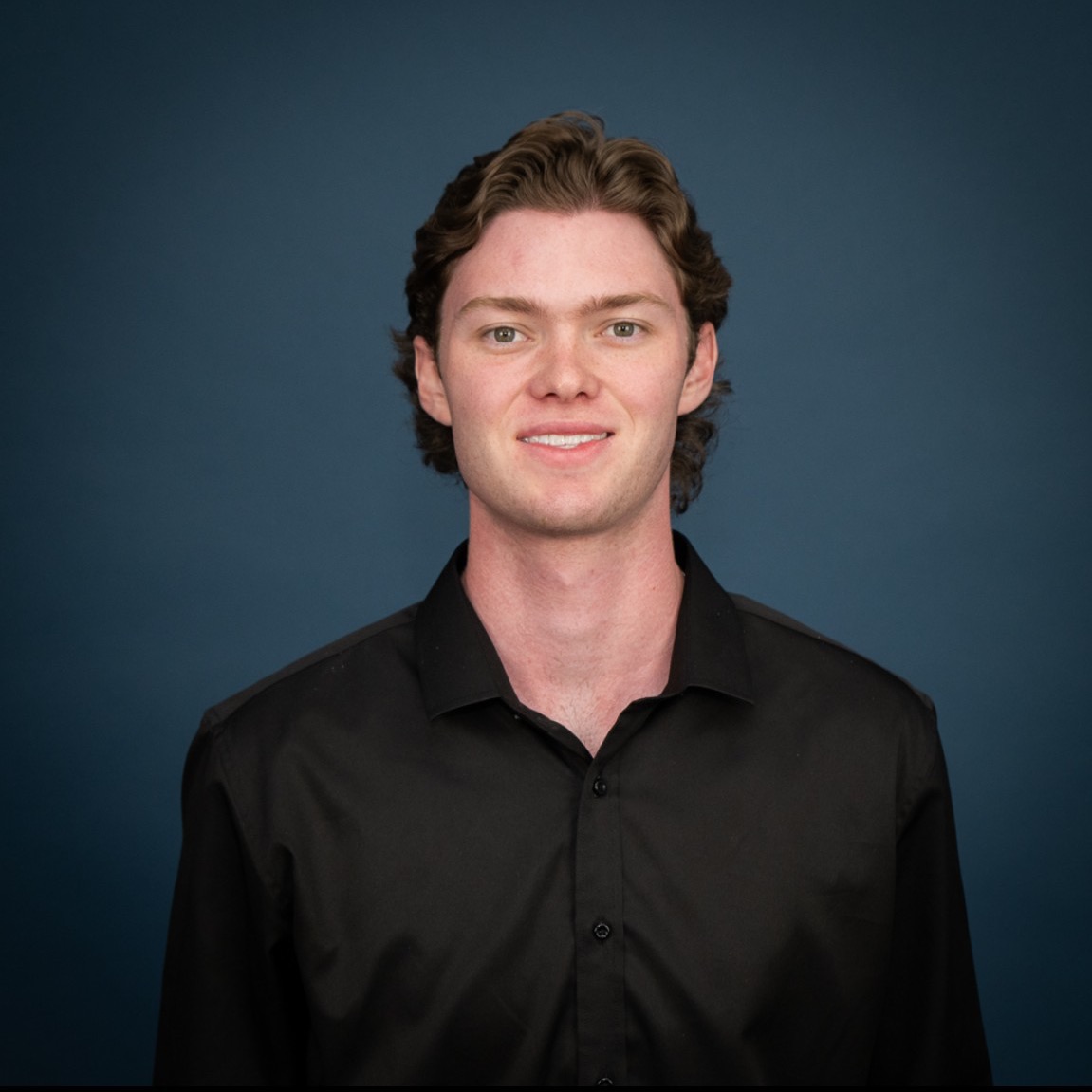 Where is your hometown?
Keller, Texas- Why did you decide to pursue a degree in HR?
I chose to pursue a degree in HR because I have always loved business, and I have a passion for helping people. I feel like HR is a perfect mix of the two. - How has the HR Program at UNT helped you to reach your personal, academic, and/or
professional goals? (specific courses, advice from professors, HR career fairs, etc.)
At UNT, I have had an amazing opportunity to learn about all aspects of business and HR through my coursework. The professors in the Department of Management care about their students and want to see them succeed not only academically but also after earning their degree. - What was the most important thing you learned in the HR program?
The most important thing I have realized is that people are the organization. HR is about building relationships and creating a successful environment for the company and employees to succeed. - What is your greatest academic or professional accomplishment and why?
My greatest academic achievement has been maintaining a 4.0 GPA during my time at UNT. - Where did you complete your internship, and what were some key takeaways from it?
I completed my internship with Envoy Air, the largest regional airline owned by American Airlines. One of the key takeaways I had was how important technology, especially AI is becoming in the workplace. Another valuable lesson from working in a fast-paced environment is the importance of communication and adaptability. - What are your career aspirations?
After graduating with my BBA in HRM, I am planning to earn my MBA from UNT. My career goals are to be an HR manager and a strategic HR leader in the corporate world. - What advice do you have for future HR students who want to make the most out of their
experience at UNT?
My best advice for future HR students is to get involved early and seek opportunities to gain hands-on experience, even if it's in a small capacity. These experiences that you gain throughout college will help set you apart after graduation. Professors are resources to students and want to see you succeed. Reaching out and building relationships with them was beneficial to me.
Roberto Briceno
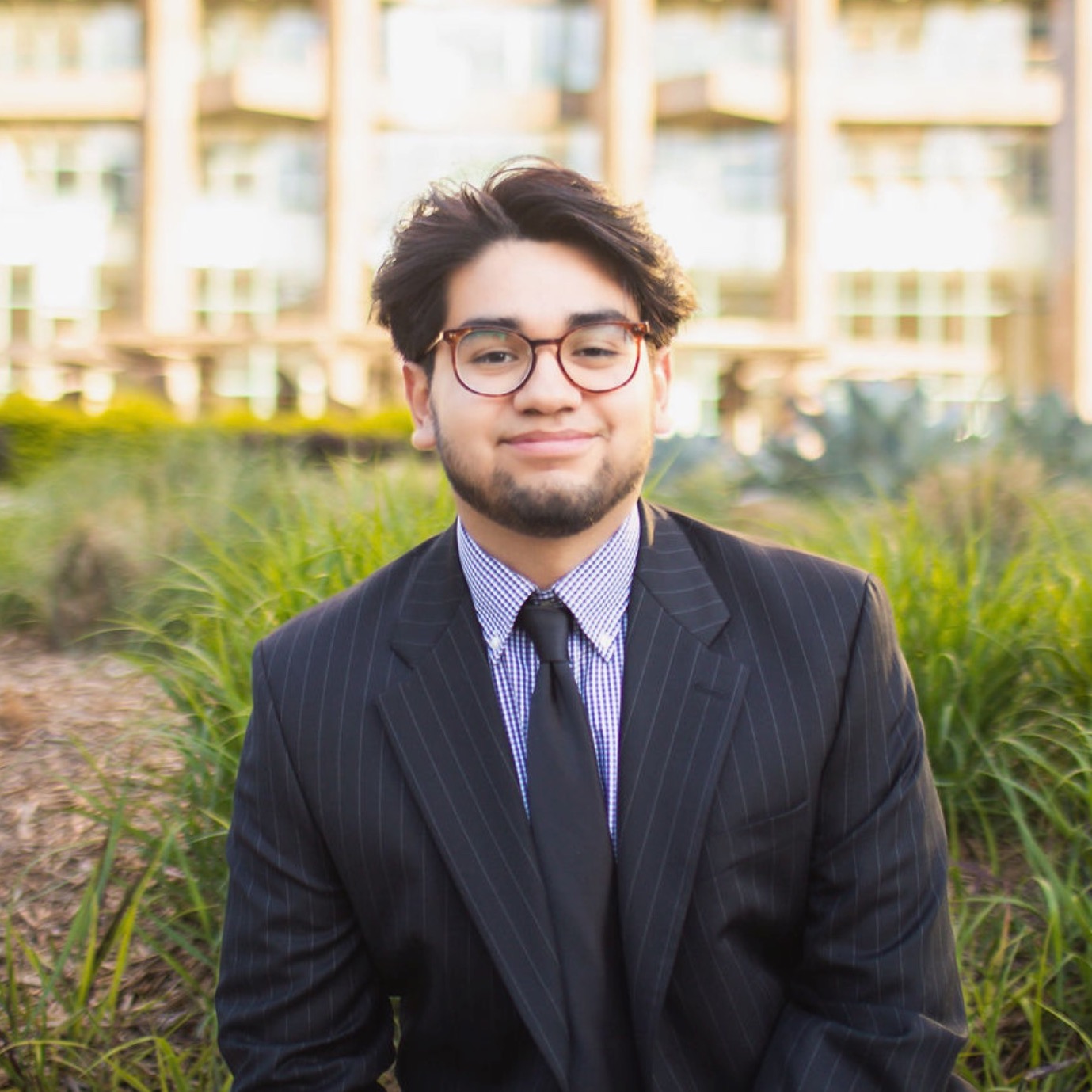 Where is your hometown?
Carrollton, TX- Why did you decide to pursue a degree in HR?
My path to HR really started during my Bachelor of Science in Psychology, through my introduction to Industrial Organizational Psychology. I quickly realized how fascinating it was to see psychological concepts come to life in real workplace settings. That interest led me to explore programs and course offerings at UNT, where I discovered courses in Human Resources and Organizational Behavior. Early on into my first HR course, I knew I had chosen the right field and, I’ve been committed to it ever since. - How has the HR Program at UNT helped you to reach your personal, academic, and/or
professional goals?
The HR program at UNT does an exceptional job of educating students and preparing them for a career in HR. From my experience, the professors in the HR/Management department share valuable insights and support at every opportunity. The HR networking event also consistently provides students the chance to meet employers, build meaningful connections, and strengthen their confidence. - What was the most important thing you learned in the HR program?
The most important lesson I’ve learned in the HR program is the value of continuous growth, development, and outreach. This mindset is essential for HR professionals to build adaptability and resilience and to establish valuable connections with their organization and colleagues. - What is your greatest academic or professional accomplishment and why?
My greatest academic achievement has been entering my final semester at UNT, progressing toward a BBA in Human Resources, a BS in Psychology, and a minor in Spanish. My greatest professional achievement has been recently stepping into an HR Coordinator role, where I can continue to learn, grow, and apply both my coursework and internship experience. - Where did you complete your internship, and what were some key takeaways from it?
I am deeply grateful for the opportunity to have completed three internships with The Legacy Senior Communities, Amazon, and Agora Data, Inc. These experiences strengthened my passion for Human Resources and provided me the opportunity to apply knowledge and skills gained through the UNT HR program in real workplace settings. - What are your career aspirations?
My top career aspiration is to progress into a strategic, people-centered HR role and to focus on developing early career professionals, inspired by the mentorship and guidance I have received. - If you were involved in UNT SHRM, briefly summarize your involvement, and explain
how your involvement helped you prepare for industry.
I have been a member of UNT SHRM since Fall of 2024! Being a member has given me a great opportunity to build connections within the HR program and bond with others who share similar career goals. This semester I have also taken on the role of Director of Development, where I am helping lead fundraising efforts to support our chapter’s growth. - What advice do you have for future HR students who want to make the most out of their
experience at UNT?
My advice is to fully embrace growth and learning, and to actively participate in the programs offered within the Ryan College of Business. Our campus provides incredible resources geared toward professional development, and the key is to take make the most of them.
Ally Murray
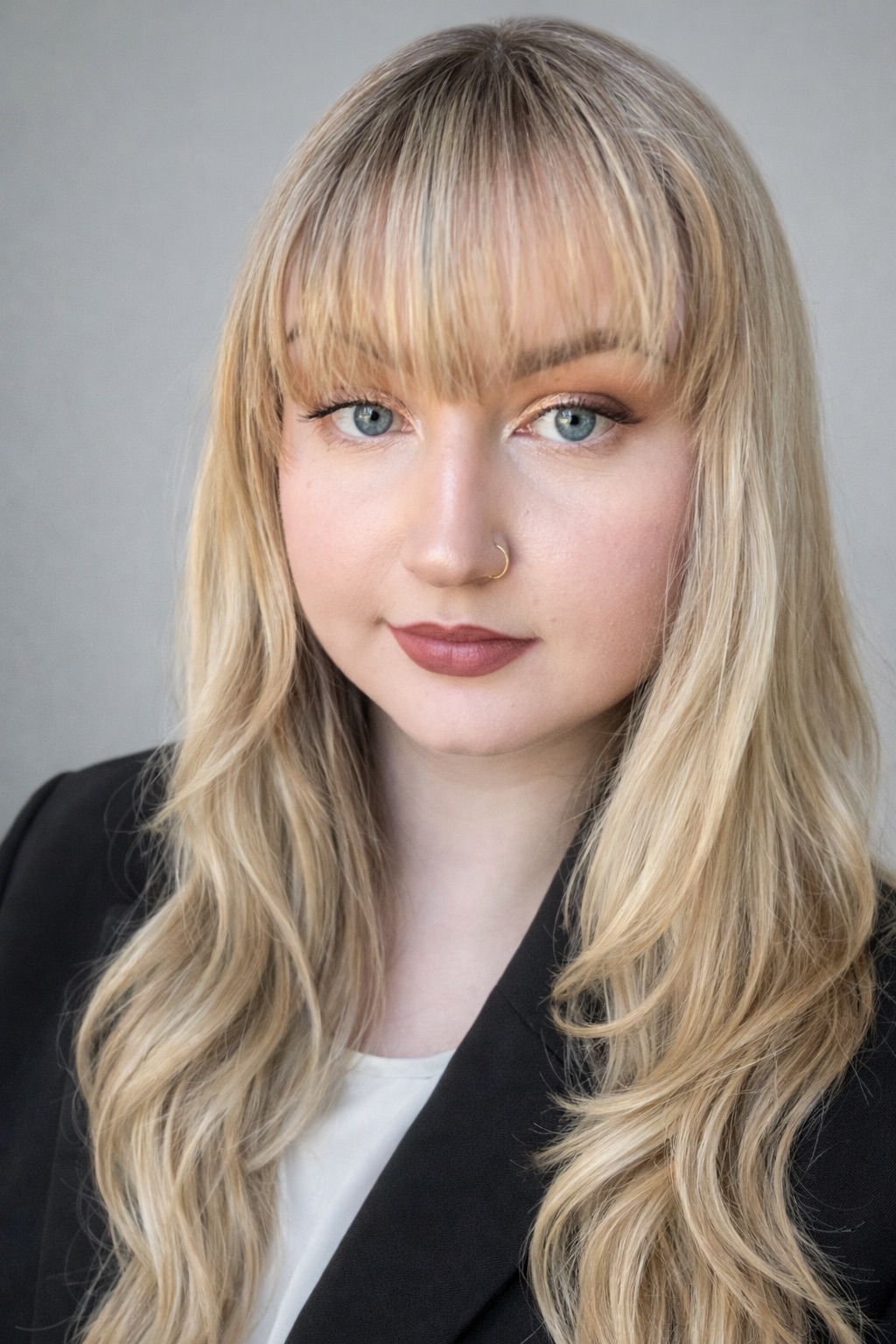 Where is your hometown?
Hemet, California- Why did you decide to pursue a degree in HR?
I was inspired to pursue HR because of a personal experience. Years ago, I had a medical event that caused me to need accommodation at work. HR was able to support me and guide me during one of the hardest times in my life, and now I want to pay it forward. I believe that employees are a business’s biggest asset, but they need support to grow into the best versions of themselves and fulfill their professional dreams. - How has the HR Program at UNT helped you to reach your personal, academic, and/or
professional goals? (specific courses, advice from professors, HR career fairs, etc.)
The Professors in the HR department welcomed me with open arms. I attended multiple professional development events, including the HR Southwest Conference in 2024. Through this networking, I got an internship in the HR department of the City of Carrollton (Thank you Dr. Aguilar!). Receiving the Fall 2025 Internship Scholarship was an honor, and it shows that my Professors appreciate the work I put into both my schoolwork and career. - What was the most important thing you learned in the HR program?
Documentation! Each class has taught me a different reason why documenting everything is critical in HR, from investigation, liability, workers' comp, etc. Make sure to document everything to cover your assets! - What is your greatest academic or professional accomplishment and why?
My greatest accomplishment has been persevering through the tough times. Having a part-time job, internship, and school full-time has challenged me more than I could have imagined, but I wouldn’t trade it for the world. I am building key skills and developing for the career I want. - Where did you complete your internship, and what were some key takeaways from it?
I completed a summer internship for Ray Roberts State Park that taught me a lot about compliance and people management. It also translated into a permanent position as a Customer Service Representative. I am also currently interning at the City of Carrollton. Through this, I have learned a lot about recruitment and risk management. All of my supervisors have taken me under their wing, teaching me all that I can absorb. I cannot express enough gratitude for their support! - What are your career aspirations?
I want to become an Employee Relations Manager so I can be a resource to employees and the employer in complex situations, leveraging investigation skills and empathy. I also eventually want to complete a J.D. and become an employment lawyer. - What advice do you have for future HR students who want to make the most out of their
experience at UNT?
The power of networking cannot be understated. Reach out to your professors and peers, send those LinkedIn messages to hiring managers, and put yourself out there. The job market ebbs and flows, but with a solid network, you will have options and a sense of stability in your career.
Kate Martin
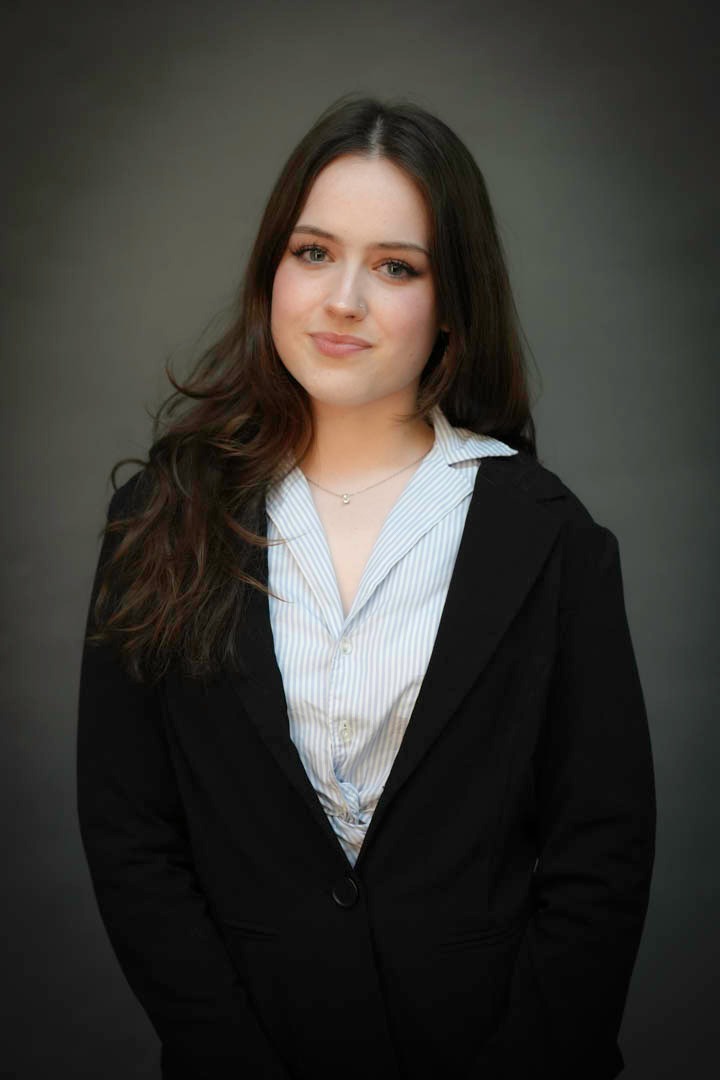 Where is your hometown?
McKinney, Texas.- Why did you decide to pursue a degree in HR?
I’ve always loved working closely with people, and HR allows me to combine that passion with strategic thinking and problem-solving. I’m drawn to the field's dynamic nature and the opportunity to make a meaningful impact on both employees and organizations. HR aligns well with my personality and the career path I see myself thriving in. - How has the HR Program at UNT helped you reach your personal, academic, and/or professional
goals?
Courses like Strategic Rewards and Performance Management and People Analytics and Information Systems have prepared me for the real world through hands-on simulations, real-world problem-solving, and data-driven presentations. My involvement in UNT SHRM, first as a member and now as an officer, has also helped me expand my professional network and connect with peers and HR professionals. Additionally, the support and guidance from my professors have been invaluable to my growth. - What was the most important thing you learned in the HR program?
I learned that while HR plays a vital role in organizational success, fostering a positive culture and supporting employees are equally important. Maintaining a positive attitude and embracing continuous learning are essential because HR is always evolving and there is always more to discover. - What is your greatest academic or professional accomplishment, and why?
Securing my internship has been my greatest accomplishment. I transferred from a different college and had to quickly catch up academically while balancing full-time work and school. Through hard work, strong connections, and taking multiple summer courses, I was able to land interviews and ultimately, earn an internship. That experience reinforced my dedication and resilience. - Where did you complete your internship, and what were some key takeaways?
I began my internship with the City of Murphy, where I gained valuable insight into public sector HR and worked on records management, recruitment, and onboarding. I am now transitioning into an internship with Safran, where I will focus on developing their training program. These experiences have allowed me to apply what I’ve learned in class to real-world HR projects. - What are your career aspirations?
I hope to work in the private sector, ideally in training and development. My long-term goal is to grow into a leadership role, such as Director of HR or Chief Human Resources Officer, where I can contribute to organizational strategy and help shape company structure and culture. - If you were involved in UNT SHRM, briefly summarize your involvement and how it helped
you prepare for the industry.
I have served as an officer for the past two semesters, first as the Director of Development (Fundraising) and now as the Director of Community Relations (Community Service). These roles have allowed me to grow as a leader, create opportunities for student engagement, and support our SHRM chapter through events and fundraisers. Through this involvement, I’ve strengthened my communication, time management, and problem-solving skills, while also deepening my passion for HR. - What advice do you have for future HR students at UNT?
Make the most of your time in the program. It’s normal to experience imposter syndrome, but growth is part of the journey. Attend events, join student organizations, connect with professionals, and participate in career fairs. Seek out leadership opportunities, stay committed to your academics, and never hesitate to put yourself out there. The more you invest in your experience, the more you will gain from it!
Abby Garcia
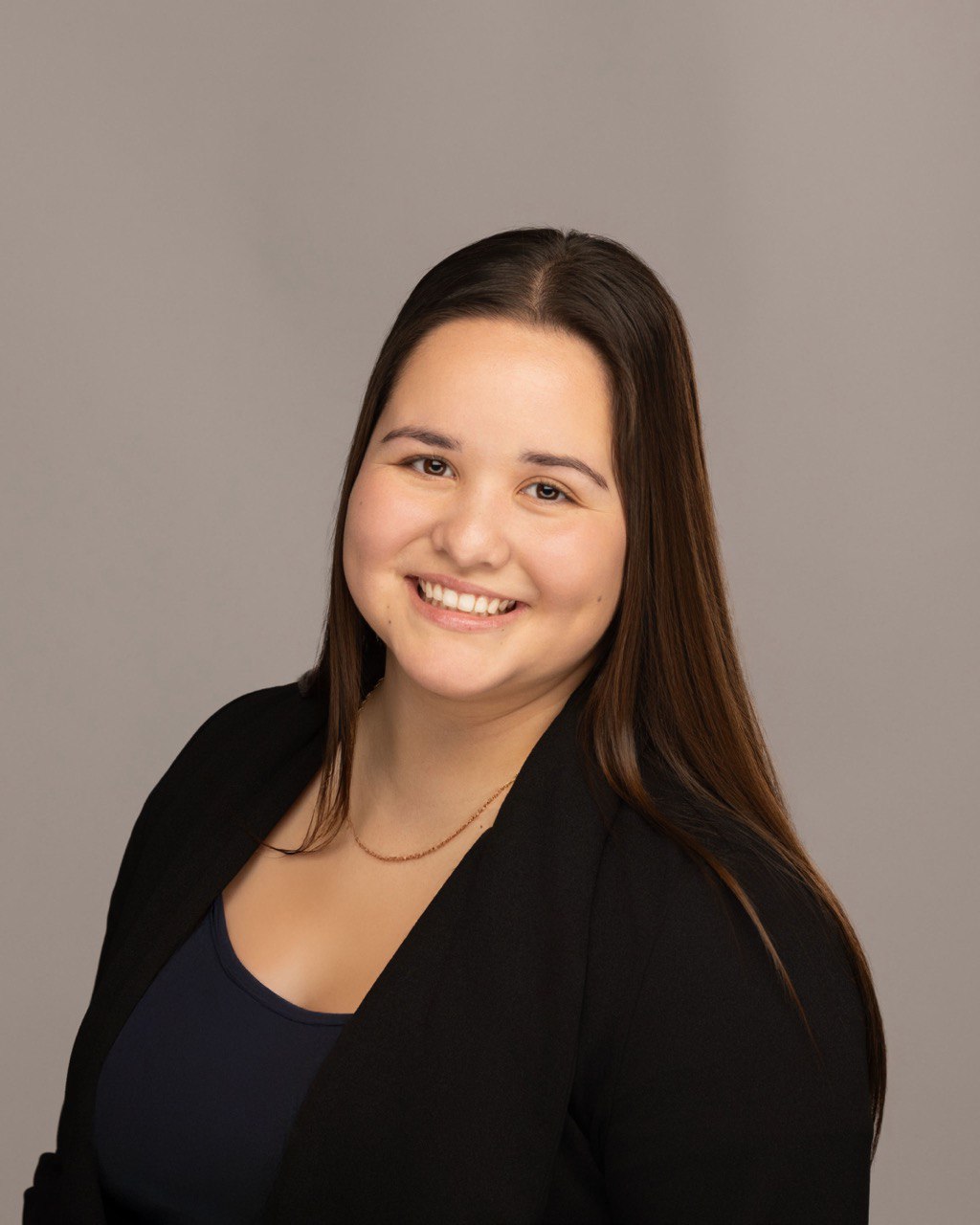 Where is your hometown?
Rochester, Minnesota- Why did you decide to pursue a degree in HR?
I've been around HR since I was young because my dad works in HR. As I got older, I realized how well a role in HR would fit my personality and be something I would be good at and enjoy. - How has the HR Program at UNT helped you to reach your personal, academic, and/or
professional goals? (specific courses, advice from professors, HR career fairs, etc.)
The HR program has been so helpful for my academic growth. Specifically, Professor Welch, Aguilar, and retired Lecturer, Professor Westurn's classes have taught both entry-level and in-depth HR courses that have challenged me and helped me succeed as the HR professional I am today and who I wish to be tomorrow. - What was the most important thing you learned in the HR program?
The most important thing I have learned from the program is the importance of relying on your professors. They truly are there to help you succeed both academically and professionally. I am so lucky to have professors who take the time to learn their students' goals and help guide them on the right path. - What is your greatest academic or professional accomplishment and why?
My greatest accomplishment has been my work at my internships and the mentorship relationships I have created with my supervisors. - Where did you complete your internship, and what were some key takeaways from it?
I have had many amazing opportunities in HR. I began as a summer student with Mayo Clinic in 2023. I interned during the past two school years at WorldSprings in The Colony, beginning September 2024, and then I completed my internship at McNeilus Truck and Manufacturing in Dodge Center, Minnesota, over the summer of 2025. One of my major takeaways from my internships is the broad view of HR I have gained. I have developed a new skill set at each company and gained exposure to different industries and HR teams that have supported me throughout, answering my many questions as I gained experience. - What are your career aspirations?
My career aspirations are always changing, but one thing that hasn't changed is my desire to make a difference. Whether that is from employee relations, payroll, onboarding, or other HR aspects, at a large corporation or a small, locally owned business, I want the team members I work with to be seen, heard, and looked after. I strongly believe I will be able to accomplish that goal in different ways at every step of my career. - If you were involved in UNT SHRM, briefly summarize your involvement, and explain
how your involvement helped you prepare for industry.
I am involved in UNT SHRM as a member and have gained valuable insight into the corporate world from HR professionals and my peers. - What advice do you have for future HR students who want to make the most out of their experience at UNT? My advice for future HR students is to ask questions. As a student and intern, it is the best way to learn and show that you have a passion for what you are learning.
Caleb Smith
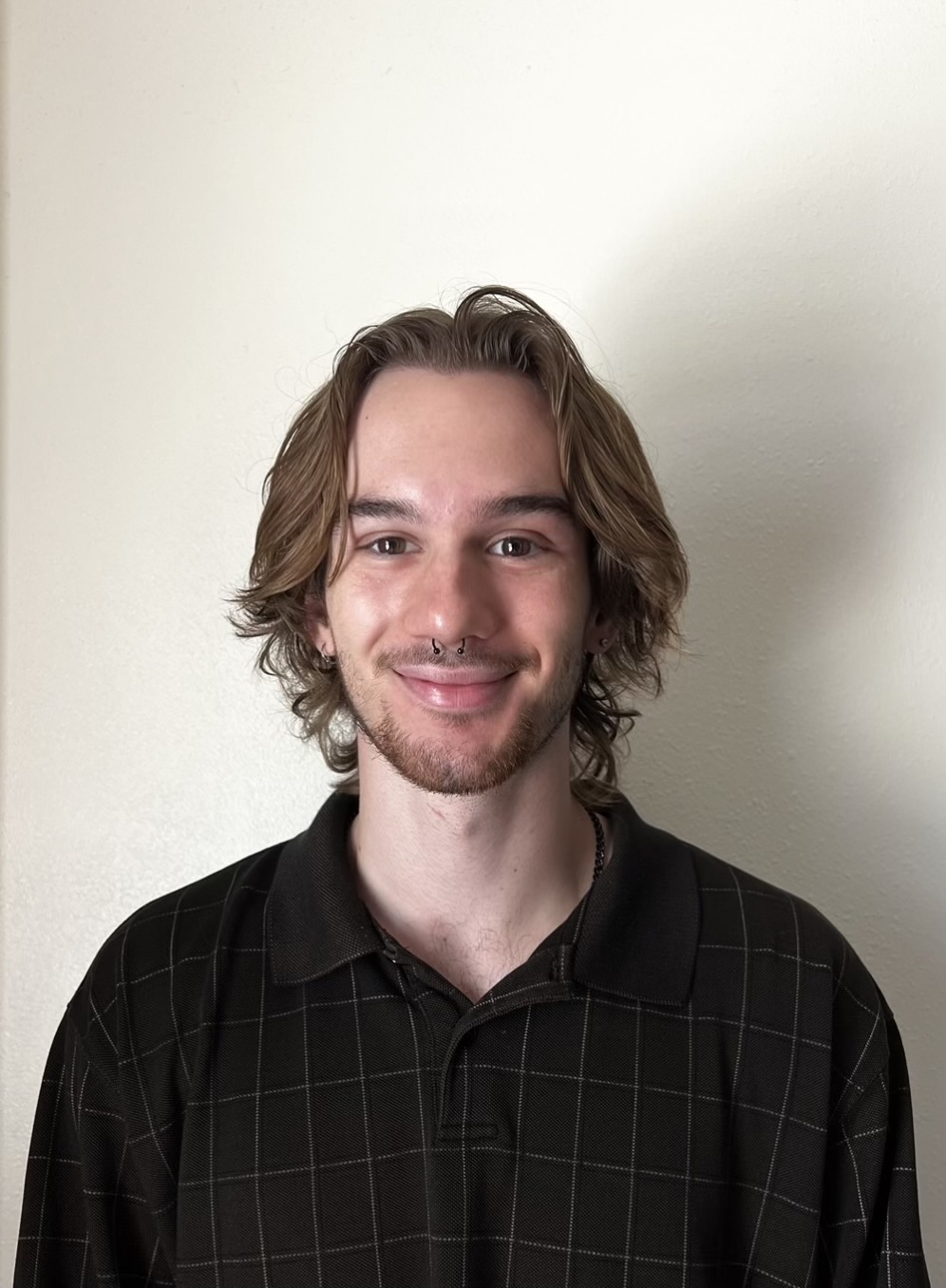 Where is your hometown?
Keller, Texas- Why did you decide to pursue a degree in HR?
There were several factors that led me to pursue Human Resources. Initially, I believed Finance or Accounting would be the best fit for me because I have always been strong with numbers. However, after taking HR-related courses and getting involved with the Society for Human Resource Management (SHRM) at UNT, my perspective shifted. Working with Professor Aguilar and Professor Welch helped me discover a genuine passion for working with people, developing talent, and contributing to organizational culture. - How has the HR Program at UNT helped you to reach your personal, academic, and/or
professional goals? (specific courses, advice from professors, HR career fairs, etc.)
The HR Program at UNT has played a role in helping me grow both academically and professionally. Through courses such as Human Resource Management and Organizational Behavior, I’ve gained a strong foundation in how different organizations operate and how to effectively manage people. Additionally, guidance from professors has helped me better understand how to prepare for different career paths in HR. Networking events and SHRM luncheons have allowed me to connect with professionals in the field, refine my resume, and build confidence in pursuing future roles. - What was the most important thing you learned in the HR program?
I learned that no business will succeed without prioritizing its employees. Strong communication, leadership, and employee development directly impact the success of a manager and the organization. - What is your greatest academic or professional accomplishment and why?
My greatest professional accomplishment is being recognized as a part of my company's leadership team and being offered a management position post-graduation. This achievement is especially meaningful to me as it reflects the hard work I have put in as I have worked full-time while obtaining my degree. It also reflects the growth I have had throughout the last few years, and it validates the skills I have learned through my courses and UNT SHRM. - If you were involved in UNT SHRM, briefly summarize your involvement, and explain
how your involvement helped you prepare for industry.
I served as the Director of Chapter Information Systems for the Fall of 2025 and Spring of 2026. UNT SHRM allowed me to engage with HR professionals, attend meetings and events to develop my networking skills, and gain a better understanding of what employers are looking for in HR candidates, as well as what the field of HR looks like. Professor Aguilar and Professor Welch mentored me through several professional decisions. Joining UNT SHRM was one of the most impactful decisions I made in my four years at UNT. - What advice do you have for future HR students who want to make the most out of their
experience at UNT?
I would encourage future HR students to get involved early, especially in organizations like SHRM, and take advantage of networking opportunities such as career fairs and guest speaker events. Building relationships with professors is also extremely valuable, as they can provide guidance, mentorship, and career advice. Lastly, don’t be afraid to step outside your comfort zone, whether that’s applying for internships, participating in discussions, or taking on leadership roles. Those experiences make a big difference in preparing for a successful HR career.
Kaleigh Batres
 Where is your hometown?
I lived in Marshall, a small town in East Texas. Then I moved to Hallsville. I continued my high school education in Richardson, TX.- Why did you decide to pursue a degree in HR?
I quickly realized I didn't want to pursue any of the usual careers pretty early on in my high school years. I narrowed it down to some form of management because of my role at work at a beauty spa. I work closely with management and have been helping with management roles throughout my time there. - How has the HR Program at UNT helped you to reach your personal, academic, and/or
professional goals? (specific courses, advice from professors, HR career fairs, etc.)
The professors I've had have been the most helpful. They have really given a lot of insight from personal experience into the career field and what it really looks like. They have also consistently provided resources and encouragement to help me succeed, grow, and learn from them and other professionals in the HR field. - What was the most important thing you learned in the HR program?
I learned how to network and to do it well. Networking goes a long way, and you never know who you may meet and what it can lead to. - What is your greatest academic or professional accomplishment and why?
My greatest accomplishment has been developing my management skills at work and growing as a leader both in academics and in the professional world. I've come a long way and have really grown out of my comfort zone. I want to continue to better myself and push myself rather than staying in what's comfortable and safe. - Where did you complete your internship, and what were some key takeaways from it?
I did not complete an internship. I work as an Operations Manager/jack of all trades at Issil Beauty Spa and have been there for over 4 years. - What are your career aspirations?
In my career, I hope to start at an entry-level position for a company that values its employees, and I am also open to moving into some sort of management position. I've also liked the idea of working specifically on the training and development side of HR. - If you were involved in UNT SHRM, briefly summarize your involvement, and explain
how your involvement helped you prepare for industry.
I have been involved with UNT SHRM for 2 years now. I have really enjoyed the community and support the organization has provided me. This semester, I became the Director of Student Relations, which has helped me work on my public speaking, organization, and communication skills, which are crucial to an HR role. - What advice do you have for future HR students who want to make the most out of their
experience at UNT?
I always tell people to take advantage of all UNT has to offer such as student organizations (like UNT SHRM), events on campus (for socializing), career fairs, networking opportunities, the career center, and so much more, depending on their needs and goals.
Kristi Kelley
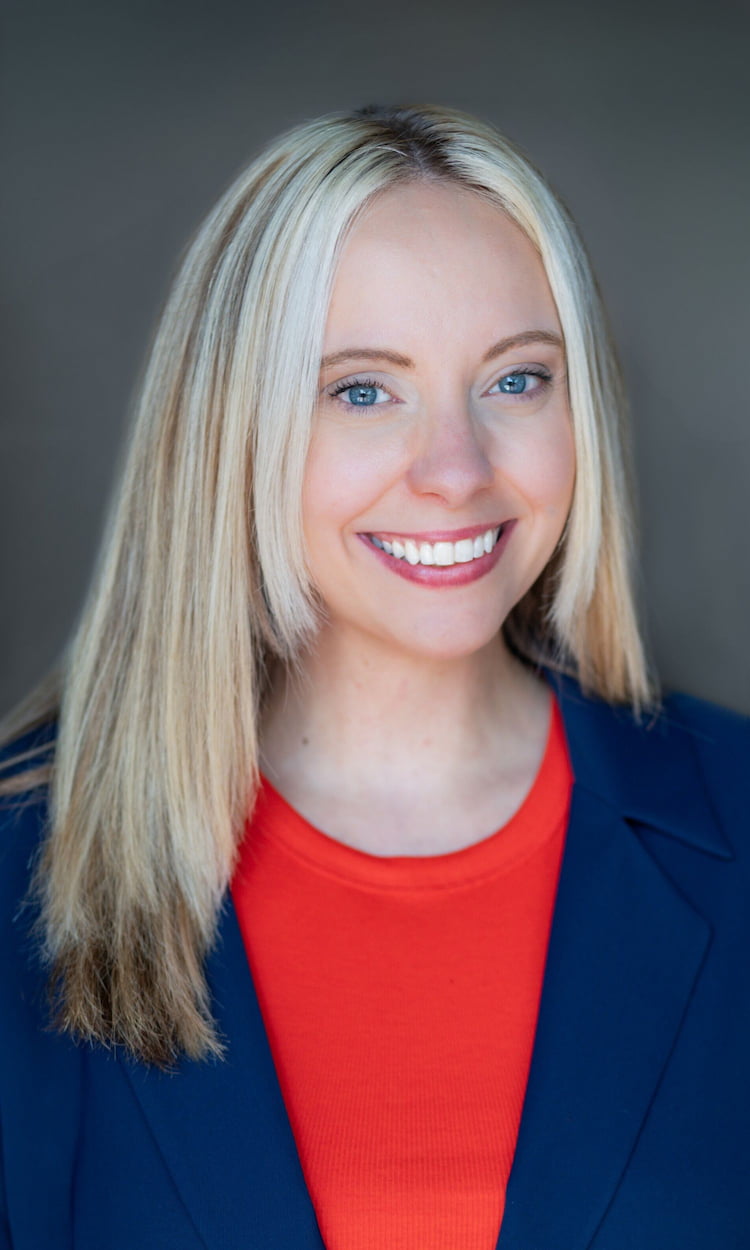
Current Location: Fort Worth, Texas
Current role, if employed: IS Training Coordinator for Mouser Electronics
- What inspired you to pursue an MBA with a focus on Organizational Behavior and Human
Resources?
Before transitioning into the business world, I spent 11 years as a teacher and was named Teacher of the Year for building strong, positive classroom culture. I loved teaching students about clear communication, emotional intelligence, and leadership. I realized I wanted to expand that impact into the business world. Pursuing an MBA in Organizational Behavior and Human Resource Management allows me to bridge my culture-building skills with a more strategic, business-focused lens. The program has helped me shift from leading within a school environment to thinking more broadly about how to influence teams and organizational effectiveness. - Which key skills have you developed or strengthened during your MBA (e.g., leadership,
conflict resolution, talent management), and how have you applied them?
Through the MBA program, I’ve strengthened my ability to think critically, analyze information, and make decisions that consider both people and outcomes. At the same time, I’ve deepened my understanding of leadership, especially how communication, trust, and emotional intelligence shape team dynamics.
On a more personal level, balancing coursework alongside being a mom, a wife, and a full-time professional has strengthened my grit and grace. I decided to pursue a higher degree because I have a deep love of learning, but I have found that the coursework has been particularly impactful on how well I persevere. Throughout the program I have had to apply grit when the work is hard and give myself grace when life takes over. These skills directly influence how I show up as a leader. - Can you share a real example (internship, group project, or leadership role) where
you applied OB/HR concepts effectively? What was the outcome?
In my role as IS Training Coordinator at Mouser, I have led discussions around AI. Using Organizational Behavior principles, I focused on mindset, psychological safety, and social learning by positioning AI as something teams learn with each other through experimentation and peer modeling.
I’ve also led conversations around emotional intelligence and how to navigate change within teams. I’ve given the teams the tools to build trust and connection before moving into problem-solving. This approach has helped teams improve their collaboration and be more proactive during periods of change. - How has this program shaped your career goals and prepared you for future roles in
HR or organizational leadership?
This program has clarified my goal of moving into roles where I can influence both people and strategy at a higher level. It has reinforced my passion for creating workplaces where employees feel supported, challenged, and empowered to grow. Long term, I am especially interested in leadership development, organizational culture, and learning strategy. I want to help organizations navigate change, particularly around AI and evolving workforce needs, while maintaining a strong focus on psychological safety and human-centered leadership. The MBA has given me the tools, language, and confidence to step into those spaces and contribute on a more strategic level.
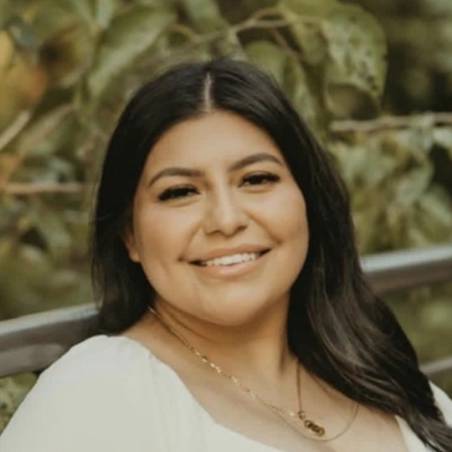
Nancy Batres
 Where is your hometown?
Keller, Tx- Why did you decide to pursue a degree in HR?
I decided to pursue a degree in Human Resources because I care about how people experience work, and I want to be in a position where I can actually improve it. - How has the HR Program at UNT helped you to reach your personal, academic, and/or
professional goals? (specific courses, advice from professors, HR career fairs, etc.)
The HR Program at UNT has played a vital role in preparing my career post-grad.
I have received tremendous help from my professors and peers aiding me in career advice and exposure into the HR field. The coursework, including simulations and case studies, has effectively prepared me for real-world challenges and practical application in the industry. - What was the most important thing you learned in the HR program?
Compliance! The most important thing I learned in the HR program was the significance of legal and compliance knowledge in ensuring fair, ethical, and lawful workplace practices. - What is your greatest academic or professional accomplishment and why?
One of my greatest professional accomplishments to date is securing a full-time HR position offer 5 months before This achievement feels especially meaningful because it represents not only my hard work and dedication but also my willingness to take risks and embrace new opportunities. I'm incredibly grateful that I listened to Professor Kuykendall's valuable advice and decided to pursue this opportunity early on. Taking that leap of faith has paid off in ways I never could have imagined, and it has given me a head start in my career. I genuinely love where I work and what I do every day. Looking back, I feel proud of myself for stepping outside of my comfort zone and trusting in my abilities. - Where did you complete your internship, and what were some key takeaways from it?
I completed my internship at the City of North Richland Hills, where I had the opportunity to work for 10 months right before starting my full-time professional career. This internship was an incredibly valuable experience that provided me with firsthand insights into the workings of municipal government and public sector HR practices. One of the key takeaways from my time there was learning talent acquisition and recruitment I was actively involved in screening resumes and helping to identify the best candidates for various positions. I can’t thank enough what Ellen Cooper, Leticia Espinoza and the rest of the HR team at the City of North Richlands Hills has done for me. - What are your career aspirations?
I would love the opportunity to work in compensation or benefits in the near future, as I find those areas both challenging and However, employee relations also excites me, as I enjoy building strong connections and fostering a positive work environment. - If you were involved in UNT SHRM, briefly summarize your involvement, and explain
how your involvement helped you prepare for industry.
As a student involved in UNT SHRM, I participated in various activities and events that provided me with valuable exposure to the HR industry. This involvement helped me develop a deeper understanding of HR practices, network with professionals, and gain insights into industry trends, all of which prepared me for my future career in the field. - What advice do you have for future HR students who want to make the most out of their
experience at UNT?
My advice for future HR students at UNT is to actively seek out opportunities to get involved, whether through student organizations like SHRM, internships, or networking events. Stay curious, ASK questions, and take advantage of every learning opportunity, as these experiences will help you build essential skills, expand your professional network, and better prepare you for a successful
Previous Student Spotlights
MBA Spotlights
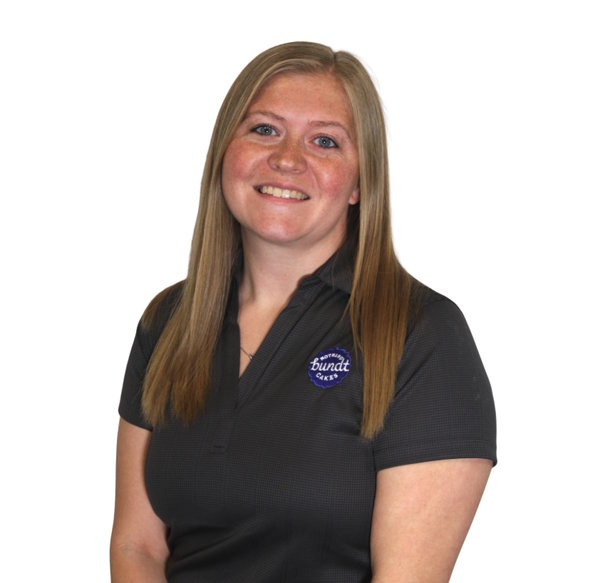
Cayla Gronauer
- Current Location
Dallas, Texas. - Current role, if employed
Human Resources Manager, Nothing Bundt Cakes Corporate. - What inspired you to pursue an MBA with a focus on Organizational Behavior and Human
Resources?
I actually started my career in finance, but as I moved into HR and payroll, I became really interested in the people side of organizations. How culture, leadership, and employee experience impact overall success. Pursuing an MBA with a focus on Organizational Behavior and Human Resources felt like the perfect way to bring together my analytical background with my passion for working with people. I wanted to better understand how to build strong, engaged teams, while still delivering on business goals (and maybe make work a little more enjoyable along the way). - Which key skills have you developed or strengthened during your MBA (e.g., leadership,
conflict resolution, talent management), and how have you applied them?
Through the program, I’ve strengthened skills in areas like total rewards strategy, compensation, and accounting and financial analysis, along with leadership and communication. Taking courses in finance, accounting, and compensation has helped me better understand how pay, benefits, and business performance all connect. I’ve been able to apply this in my current role by improving payroll processes, supporting benefits related decisions, and ensuring our practices are both accurate and aligned with broader business goals. It’s also helped me take a more strategic approach looking at total rewards not just as a function, but as a way to support employee experience and drive organizational success. - Can you share a real example (internship, group project, or leadership role) where
you applied OB/HR concepts effectively? What was the outcome?
In my role, I’ve supported updates to payroll and benefits processes and policies that required employees to adapt to new systems and procedures. With skills I learned in organizational effectiveness from my MBA program, I focused on improving workflows while also prioritizing clear communication, training, and ongoing support for employees. This helped make transitions smoother and less overwhelming for the team. As a result, we saw improved adoption, fewer errors, and a more positive overall experience for employees during the change. - How has this program shaped your career goals and prepared you for future roles in
HR or organizational leadership?
This program has really helped solidify my goal of becoming a strategic HR leader who supports both the people side and the business side of an organization. It’s given me a stronger foundation in leadership, employee engagement, and organizational strategy, and I feel more confident stepping into bigger responsibilities. Ultimately, I want to help create workplaces where people feel supported, teams perform at a high level, and everything comes together full circle, or should I say, comes full bundt, in driving both employee and business success.
Ph. D Spotlights
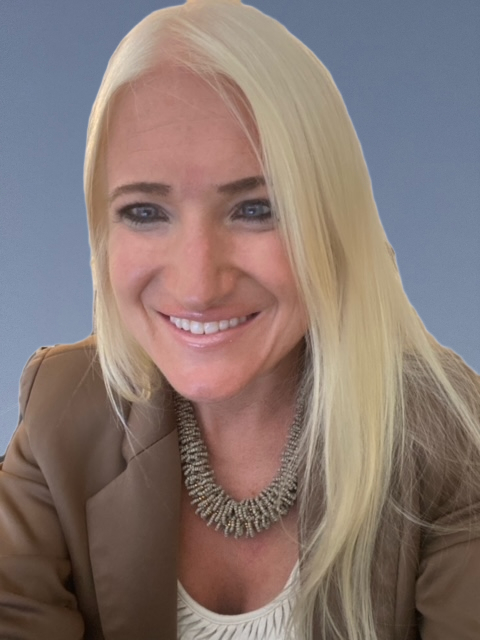
Nikki Drader-Mazza
- How did your professional experience influence your choice of research areas?
I spent fourteen years in industry split between public accounting and an investment bank. So, my interest in studying organizations came directly from my experience working in them. I became interested in neurodiversity because I participated in a neurodiversity hiring initiative at my last organization and it really made me think about systemic disadvantage and the implications of living in a world that wasn’t designed for you, which was quite relatable to me given my low vision disability. - What skills do you think future leaders need in a technology-focused workplace
As we become increasingly reliant on technology, I think it is important that we do not lose our emphasis on developing critical thinking skills. That said, I think we need to do that while learning how to responsibly integrate technology, rather than discouraging its use. I also think that as technology seems to play some part in the polarization we see in our society, we should be integrating mechanisms to foster discourse that emphasizes respectful disagreement between individuals with different beliefs and viewpoints. - What advice do you have for students and job seekers entering today’s competitive
job market?
Build your network. Join the club, volunteer at the event, connect with people both online and in person. Make a point to get to know someone new in each of your classes. You never know who can help you, or who you will be able to help, later in your career, so don’t turn down the opportunity to build your network and contribute to your community. It can go a really long way. - In simple terms, how can companies better support neurodiverse job applicants?
I like the phrasing of this question because whether intentionally or not, you have touched on the idea what we are all neurologically diverse, so designing systems that flush out skills required to do the job rather than the best interviewer in the room independent of whether or not that is even a necessary skill can be one way to really improve outcomes. I should also give a word of caution to HR professionals planning to screen applicants with AI tools. These tools categorically screen out neurodivergent applicants at a higher rate than neurotypical applicants so if you are trying to respect the neurodiversity of our workforce, and carry neuroinclusion into your workplace, these tools should be used with caution. - How did working at Goldman Sachs and KPMG shape your perspective on people and organizations?
This might not be exactly what you had in mind for an answer, but I think everyone should have to spend a few years in corporate. While it wasn’t for me, I don’t regret my time there at all. I met great people. I developed an exceptional work ethic. I learned to do hard things, and how to navigate power dynamics and office politics. I learned to cope with disappointment over a missed promotion, and how gratifying it is to persist and earn that promotion the next go around. I learned that systemic change is slow, but that doesn’t mean good people can’t make an immediate impact. That firsthand experience has made transitioning to academia a lot easier and informs nearly all of my theorizing because it allows me to connect to the work I am writing about in a really tangible way. - What led you to transition from roles at Goldman Sachs and KPMG into research?
I always knew I wanted to be in academia, but I wasn’t sure if I’d get the opportunity to go back after having a family and being an important financial contributor to that family. Some org changes timed with Covid and some personal circumstances opened a window, and here I am!